
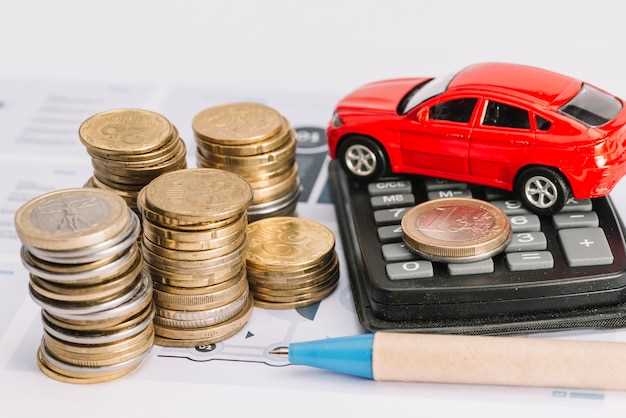
The used car market in 2023 continues to witness unprecedented price levels, with many consumers wondering about the underlying factors driving these trends. Several variables have emerged that contribute to the sustained high prices of used cars, making it crucial for potential buyers to understand the current landscape. Significant shifts in supply and demand dynamics, fluctuating raw material costs, and ongoing technological advancements are all playing a pivotal role.
One of the primary reasons for elevated prices includes the persistent shortage of new cars. Production delays caused by supply chain disruptions and pandemic-related restrictions have limited the availability of new models, consequently pushing more buyers into the used car market. As a result, this heightened demand has continued to fuel high prices across various segments of used vehicles.
Moreover, consumer preferences are increasingly leaning towards used cars due to their affordability compared to new counterparts. This shift in consumer behavior reflects broader economic trends, where buyers are becoming more cost-conscious. Consequently, the accumulation of trends favoring used vehicles has further amplified price pressures, indicating that the situation is unlikely to change in the immediate future.
The Impact of Supply Chain Disruptions on Used Car Availability

In 2023, supply chain disruptions have significantly affected the availability of used cars in the market. As manufacturers faced challenges in sourcing raw materials and components, the production of new vehicles slowed down, leading to fewer trade-ins and limited availability of pre-owned vehicles.
The trends in the automobile industry indicate that delays in shipping and logistics have caused a bottleneck effect. With fewer new cars entering the market, consumers are increasingly turning to used cars, exacerbating the demand for these vehicles. This heightened competition among buyers is pushing used car prices even higher.
Additionally, the semiconductor shortage has impacted the car manufacturing process, causing delays in new car production. This situation has intensified interest in used cars as buyers seek immediate solutions, further stretching the available inventory. As a result, the rapid increase in demand against a backdrop of constrained supply continues to influence used car prices significantly.
Moreover, as production ramps up slowly, the recovery of the used car market remains uncertain. Trends suggest that while some stabilization may occur, the lingering effects of supply chain issues will likely keep used car inventory low for the foreseeable future, maintaining inflated prices.
How Inflation Influences Consumer Demand for Pre-Owned Vehicles
Inflation plays a significant role in shaping consumer behavior, particularly in the automotive market. As prices rise across various sectors, the cost of new cars becomes increasingly prohibitive for many potential buyers. This shift in purchasing power often leads consumers to consider used vehicles as a more affordable alternative. The trend of escalating inflation thus drives demand for pre-owned cars.
High inflation rates result in increased costs for essential goods and services, leaving consumers with limited disposable income. In this environment, many individuals prioritize their spending, often redirecting funds from new car purchases to used options. This change in consumer behavior boosts the appeal of used vehicles, as they typically offer a more economical solution without sacrificing quality or reliability.
Additionally, the rising interest rates associated with inflation can deter consumers from financing new car purchases. With credit becoming more expensive, buyers may opt for pre-owned cars that fit better within their constrained budgets. This preference for used cars further exacerbates the demand, leading to sustained price levels in the second-hand market.
Furthermore, inflation can affect the overall supply chain, causing delays and shortages in the production of new vehicles. As manufacturers struggle to keep pace with rising material costs and labor expenses, the availability of new cars diminishes. Consequently, more consumers turn to the used market, intensifying the competition for pre-owned vehicles and maintaining elevated prices.
In summary, inflation significantly influences consumer demand for pre-owned vehicles by altering spending habits, affecting financing options, and impacting the supply of new cars. As individuals seek cost-effective solutions, the appeal of used cars continues to rise, keeping prices high amid growing demand.
The Role of Technology Advancements in Valuing Used Cars

In 2023, technology plays a crucial role in assessing the value of used cars, influencing market trends significantly. Several advancements have emerged that streamline the valuation process, enhance transparency, and provide consumers with vital information.
- Data Analytics: Sophisticated algorithms analyze vast amounts of data, including historical sales, vehicle condition, and market demand. This helps in generating accurate price estimations and trends, making it easier for buyers and sellers to navigate the used car market.
- Online Platforms: Numerous online marketplaces now utilize technology to facilitate peer-to-peer sales. These platforms often provide valuation tools that allow users to compare similar vehicles, ensuring fair pricing.
- Mobile Applications: Applications for smartphones enable consumers to assess the condition of their vehicles easily. Features like VIN scanning and inspection checklists help individuals determine an accurate market value, further impacting pricing trends.
- Vehicle History Reports: Comprehensive reports, made accessible through online services, offer insights into a vehicle’s past, including accidents, service records, and ownership changes. This transparency enhances buyer confidence and justifies higher prices for well-maintained used cars.
- Machine Learning: Machine learning models continuously adapt to market changes. By analyzing buyer behavior and current trends, these models can predict future price fluctuations, aiding in more informed decision-making for both buyers and sellers.
Overall, technology advancements have transformed the way used cars are valued, promoting fair pricing and improving the overall experience for consumers in the used car market.


