
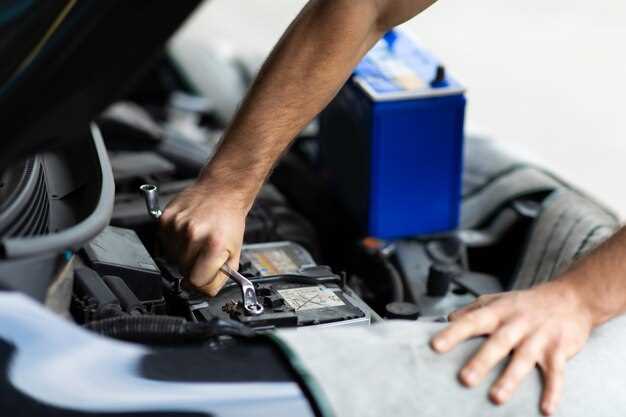
Taking care of your car’s battery is essential for ensuring reliable performance and longevity. A well-maintained battery not only guarantees a smooth start every time you get behind the wheel but also helps prevent unexpected failures. Understanding how to properly care for your car battery can save you time and money in the long run.
Regular maintenance plays a crucial role in extending the life of your battery. This involves checking the battery’s terminals for corrosion, ensuring a secure connection, and maintaining proper fluid levels. In addition, regular inspections can help identify potential issues before they become major problems, ensuring that your car remains dependable.
Moreover, environmental factors can greatly affect your car battery’s performance. Extreme temperatures, whether hot or cold, can lead to battery failure if proper precautions are not taken. By implementing practical tips and understanding the needs of your battery, you can enhance its reliability and efficacy for years to come.
Regular Visual Inspections to Spot Corrosion
Maintaining your car battery in good condition involves more than just proper charging and usage; it also requires regular visual inspections. These inspections are crucial for identifying signs of corrosion that can impact battery performance and longevity. Corrosion typically appears as a white, ashy substance around the battery terminals and connections.
To perform an effective inspection, start by ensuring that the vehicle is turned off and the keys are removed. Open the hood and locate the battery. Check for any signs of discoloration or buildup around the terminals, which can be an indicator of corrosion. It is essential to pay close attention to both the positive and negative terminals, as well as the cable connections.
If corrosion is present, it can cause poor electrical connectivity and may lead to battery failure if not addressed promptly. Utilizing a mixture of baking soda and water can help neutralize the corrosion. Apply the solution gently with a brush, ensuring that none of the mixture gets into the battery cells. After cleaning, rinse the terminals with water and dry them thoroughly before reattaching the cables securely.
Regular inspections should become a part of your car battery care routine, ideally conducted every few months or before longer trips. This proactive approach can help you avoid unexpected battery failures and extend the overall lifespan of your car battery.
Proper Cleaning Techniques for Battery Terminals
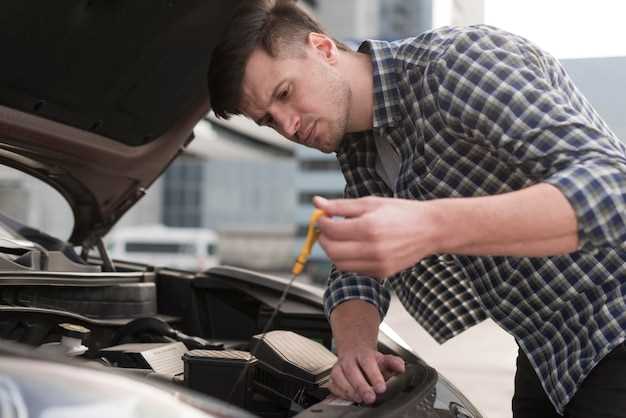
Maintaining clean battery terminals is essential for the optimal performance of your car battery. Corrosion can hinder the electrical flow, leading to starting issues and reducing battery life. Follow these steps for effective cleaning.
Before you begin, ensure that your car is turned off and keys are removed from the ignition. Safety goggles and gloves are recommended to protect against corrosion residue.
Start by disconnecting the battery cables. Always remove the negative (-) terminal first, followed by the positive (+) terminal. This practice prevents accidental short-circuits.
Use a mixture of baking soda and water to neutralize any corrosion present on the terminals. Combine one tablespoon of baking soda with a cup of water until the baking soda dissolves. Apply the solution to the terminals using an old toothbrush or a wire brush.
Gently scrub the terminals and cable connectors to remove any buildup. Be thorough but careful not to over-scrub, as this can damage the terminals. After cleaning, rinse the terminals with clean water to remove any residue.
Dry the terminals completely using a clean cloth or paper towels. Once dry, reconnect the battery cables, attaching the positive (+) terminal first, followed by the negative (-) terminal. Ensure the connections are tight to avoid any future electrical issues.
Finally, applying a thin layer of petroleum jelly or a specialized battery terminal protector can help prevent future corrosion. Regular inspection and cleaning of battery terminals are key to effective car battery care, ensuring reliability and longevity.
Understanding Weather Impact on Battery Performance
Weather plays a significant role in the performance and lifespan of your car battery. Extreme temperatures, whether hot or cold, can affect the battery’s ability to hold a charge and function effectively.
In cold weather, the chemical reactions within the battery slow down, resulting in reduced power output. This can make it difficult for your vehicle to start, especially in vehicles with older batteries. It is essential to ensure that your battery is fully charged before the colder months. Regular testing and maintenance can help you catch any potential issues early.
Conversely, high temperatures can cause the battery’s electrolyte solution to evaporate, leading to an increased risk of damage. Heat can also accelerate the wear of internal components, shortening the battery’s lifespan. To protect your battery in hot weather, parking in shaded areas or garages can minimize exposure to extreme heat.
Regardless of the season, proper battery care is crucial. Regularly check connections for corrosion and ensure that the terminals are clean. Maintaining the battery’s fluid levels–when applicable–and replacing it when it’s nearing the end of its lifespan can prevent unexpected breakdowns.
Additionally, utilizing insulation wraps or battery blankets can offer some protection against temperature extremes. Monitoring battery health and understanding how weather influences performance are key to prolonging its longevity and ensuring reliable vehicle operation.


